

Why Manav Hospitals is Jaipur’s Trusted Urology Care Center
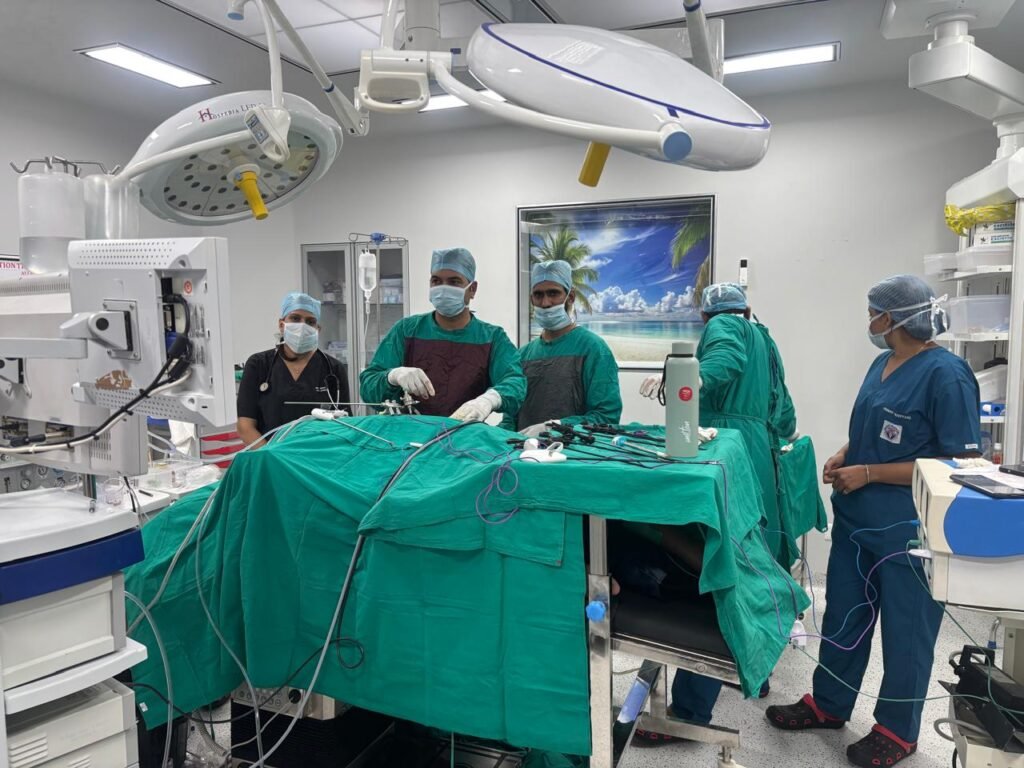
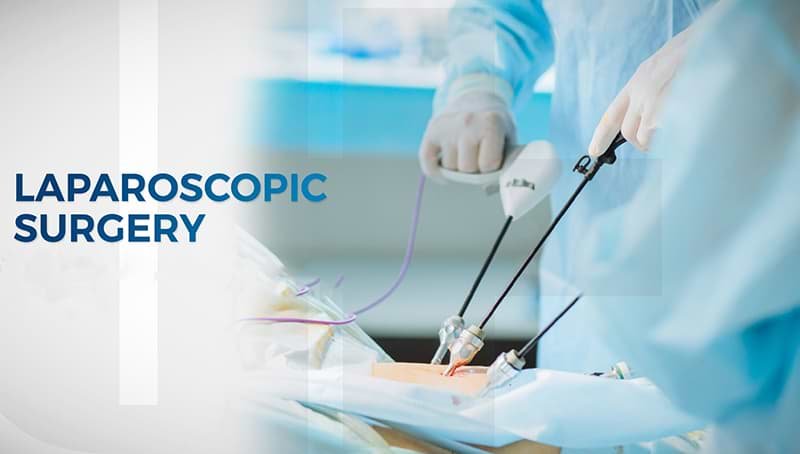
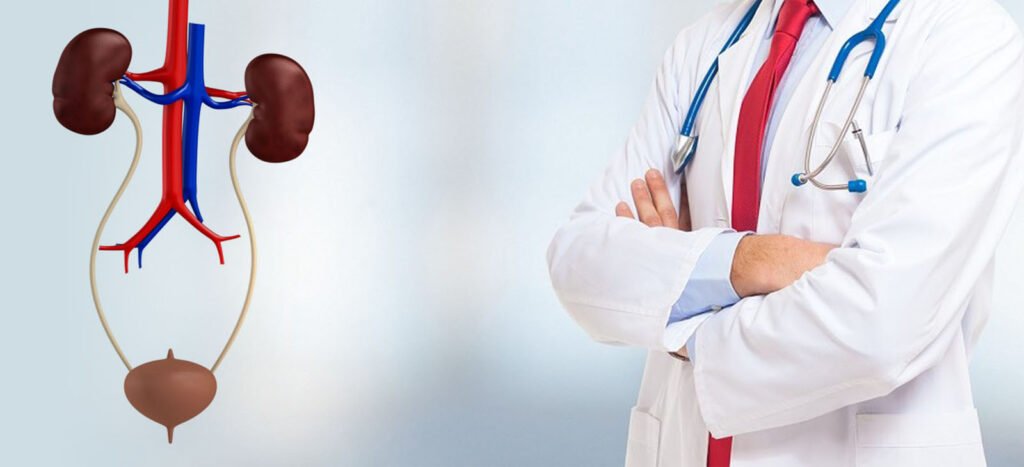
Introduction Urology looks after conditions affecting the urinary tract and male reproductive organs. Included among these organs are the kidneys, bladder, urethra and (in men) the prostate and testicles. All of these structures help to remove waste as urine from our body. A problem in any part of the digestive system can result in discomfort, pain or a serious disorder. More recently, living patterns, a bad diet, mental and physical stress and not having enough water mean people in Jaipur have seen an increase in medical conditions involving the kidneys, prostate, urinary tract and bladder. That’s where Manav Hospitals becomes involved. Thanks to the dedicated work of skilled urologists, advanced facilities and focus on each patient’s needs, Manav Hospitals is well regarded for urology treatment in Jaipur and its vicinity of lands. In this post, we’ll discuss why Manav Hospitals are the top choice for urology care for your family. Comprehensive Urology Services Offered Manav Hospitals provides complete care for various urological conditions. Here are the major services available: 1. Kidney Stone Treatment (Laser and Non-Invasive Methods) Small, hard buildups called kidney stones are made from minerals that are present in urine. They may lead to great lower back pain, feeling sick and sometimes a fever. Manav Hospitals depends on lasers and minimally invasive techniques to assist in treating stones, so patients do not have to go through painful surgery. Patients have faster recovery, shorter hospital visits and feel less pain as a result. 2. Prostate Disorders A larger and more enlarged prostate in older men can make peeing more bothersome and may lead to problems such as frequent urination, weak flow and difficulty emptying the bladder. These symptoms influence both sleeping and daily activities. We address prostate disorders using drugs, minor surgeries and laser surgery when appropriate. 3. Urinary Tract Infections (UTIs) Both elderly people and women are more often affected by urinary tract infections.. They may lead to burning as you urinate, discolored urine or an urgent need to use the toilet. As time passes, untreated cleaners can cause problems in the kidneys. Doctors at Manav Hospitals depend on short tests and potent antibiotics for UTI treatment. They also suggest actions people can take to prevent UTIs later on. 4. Bladder and Urethra Issues Problems with controlling urine, also called urinary incontinence, can affect men and women. Some find they urinate more than usual, but others have a persistent urge to go. Uroflowmetry and cystoscopy are among the bladder tests that the urology team at Manav Hospitals performs. According to test outcomes, custom treatment is created.. 5. Male Infertility and Erectile Dysfunction Infertility issues in men can develop because they have too few sperm or various other reasons. Many men are sometimes troubled by erectile dysfunction (ED) which can change their personal relationships. Manav Hospitals deals with these matters discreetly and with respect. Men dealing with sexual concerns are helped by special assessments and by seeking confidential counselling.. 6. Uro-Oncology (Cancers of Kidney, Bladder, or Prostate) Treatment for urological cancers works best when detected early and is carried out accurately. Patients at Manav Hospitals can be treated for cancers of the prostate, kidneys and bladder. Cancer treatment at the hospital is effective because of modern lab tests, MRI imaging and advanced surgeries. Being diagnosed early and receiving a plan designed for you by a top urologist is helpful for patients. Advanced Technology & Infrastructure Manav Hospitals boasts state-of-the-art facilities for giving patients top-notch treatment. That’s the way technology and environment come together to affect difference: Laser and Laparoscopic Surgeries Lasers are used to break down stones, get rid of growths and fix problems with the prostate. With laparoscopy, also called keyhole surgery, just small openings are used instead of large ones. These methods lead to experience less discomfort, heal faster, leave fewer scars and shorten stays in the hospital. 24×7 Diagnostic Lab and Emergency Urology Care Because the diagnostic lab never closes, patients can access tests and results, no matter the time of day. It proves helpful when anyone is experiencing sudden kidney pain or bleeding. Patients can get their tests done much more quickly and much closer to home. Clean, Safe, and Comfortable Environment Cleaning is the most important task. Operation theatres are always in good condition, are regularly cleaned and are completely furnished. The patient rooms are large, breathe well and feel comfortable. Support staff are pleasant, attentive and can help anytime, day or night. Why Choose Manav Hospitals for Urology in Jaipur Still thinking about where to go for urology treatment? Here’s why thousands of patients in Jaipur and Rajasthan prefer Manav Hospitals: Conclusion Should you or anybody in your family have kidney stones, trouble with the prostate, lots of infections or infertility, reach out to a urologist as soon as possible. They start out as simple problems that may eventually become larger health issues. In Manav Hospitals, you do not just become a number among patients. You are respected and looked after as if you were in a family. Our team is present during your consultation, your treatment and after you have finished treatment with us. Don’t wait for the pain to get worse! You can consult our urology specialists at Manav Hospitals today. Our team is here to get you back to a healthier and joyful lifestyle.
Why Manav Hospitals is Jaipur’s Trusted Urology Care Center Read More »